From Coronal Mass Ejection to the Aurora Borealis

At any given moment, then sun can discharge a large burst of gas and particles out into space called a Coronal Mass Ejection (CME). If this burst is expelled toward Earth, the high volume of particles interacts with the Earth’s Magnetic sphere. This ‘excites’ the electrons, producing a greenish glow that we call the Aurora Borealis, or the Northern Lights. However, if the CME is large enough, the radiation could cause severe damage to satellites in orbit!

The sun had a CME this past Monday! Click the links below to learn what this will mean for Earth. Are auroras only found on Earth? Click below to find out!

Aurora alert! CME impacting Earth

Sun outburst goes ‘cannibal’ as fast new blob overtakes a slower one

Northern Lights Centre

Northern lights (aurora borealis): What they are & how to see them

Hubble Captures Vivid Auroras in Jupiter’s Atmosphere

Share Us

Facebook
Twitter
LinkedIn
Email
Categories

Recent Posts

KEEP UP WITH RED CANYON SOFTWARE

Related Posts

Red Canyon Supports General Atomics

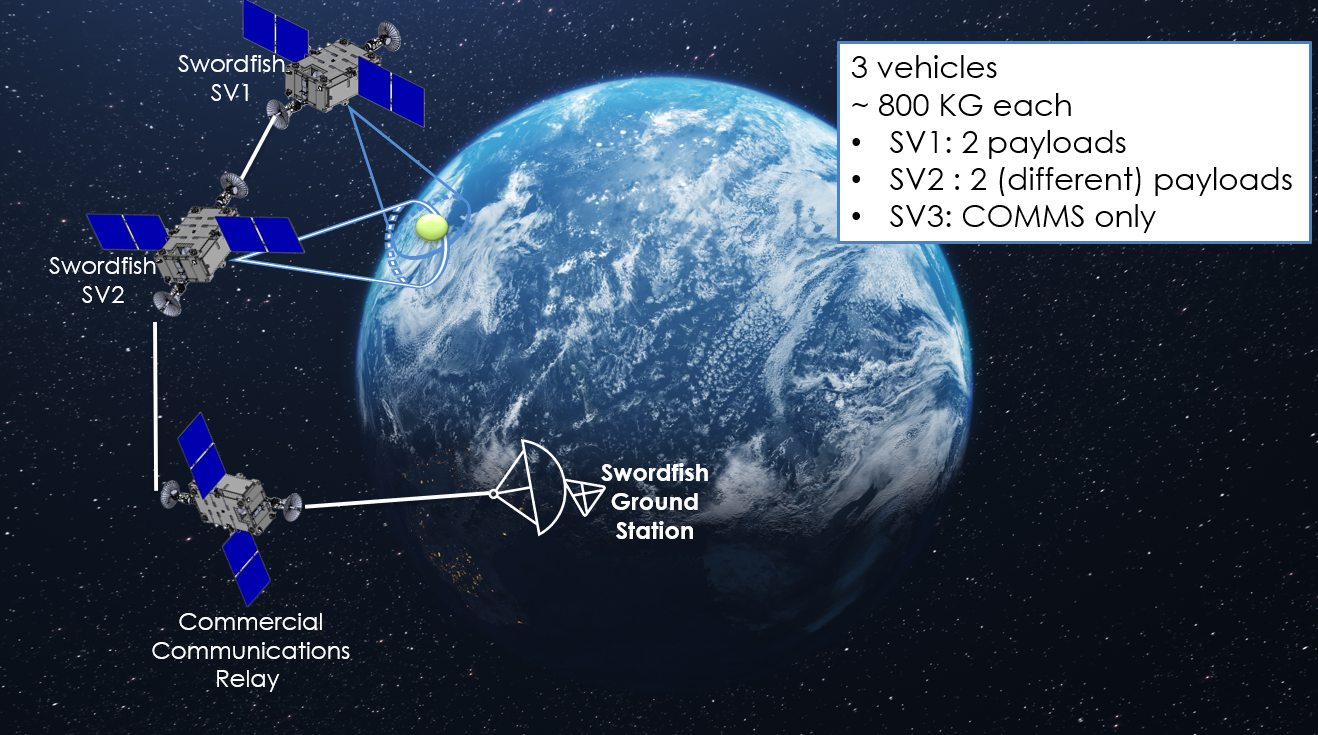
Red Canyon is proud to support General Atomics and Swordfish, an unclassified spacecraft architecture effort building a reusable flight software foundation for future missions. Designed around a three-spacecraft concept

2025 Engineer of the Year

Congratulations to Steve Midzor, Red Canyon’s 2025 Engineer of the Year! 👏 For over a decade, Steve has been supporting the Artemis mission, meticulously managing

2024 Red Canyon Engineer of the Year!

Congratulations to Kirill Kravchuk, Red Canyon’s 2024 Engineer of the Year! 👏 From developing embedded laser software for optical comms to building flight software for

Red Canyon is proud to support BlackVe

Red Canyon is proud to support the BlackVe Express Mission, an innovative orbiter currently in development! Our team is delivering cutting-edge software development, integration, and